Based on the novel by Nobel laureate Henryk Sienkiewicz
Love, a sworn word and revenge in a country marching to war.
- 7 episodes
- an episode is made in 2 weeks
- produced by WOW P.S.A.
Sienkiewicz you want to watch
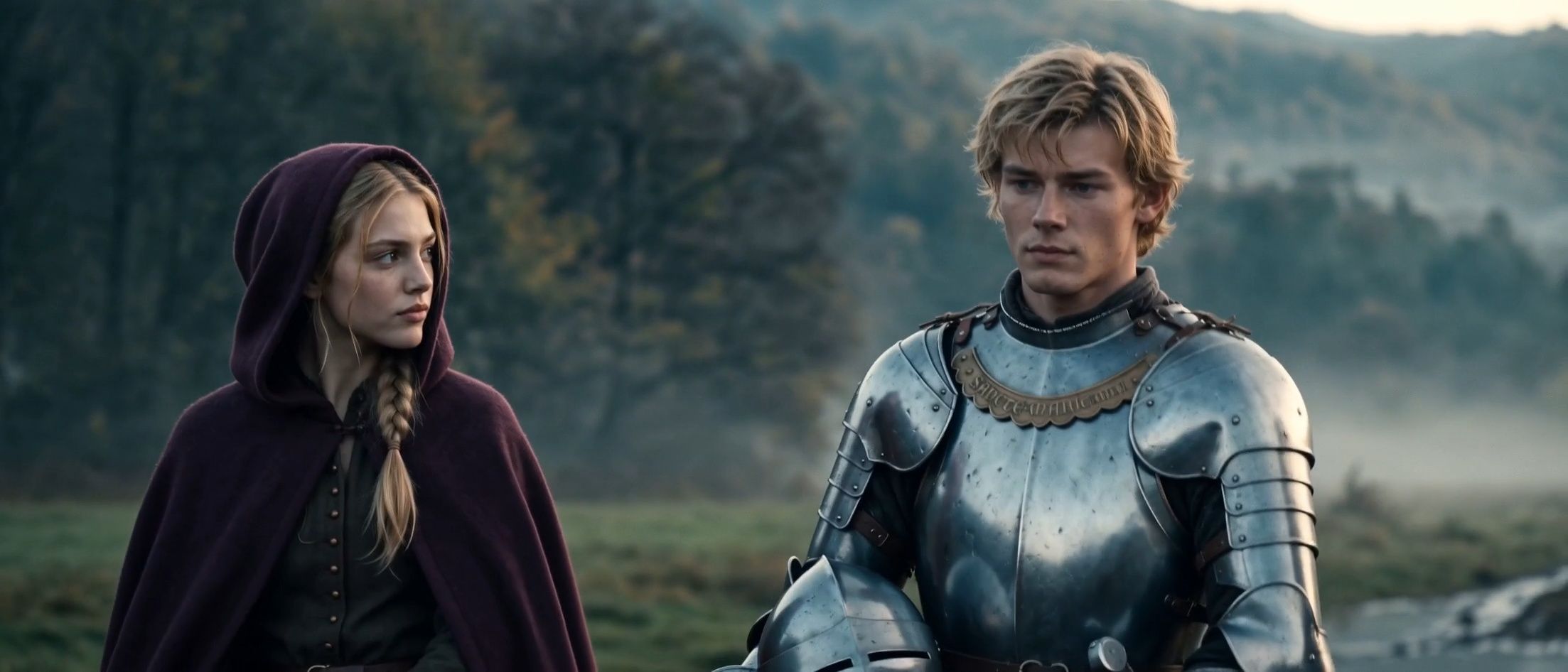
“Krzyżacy” is a seven-episode drama series based on Henryk Sienkiewicz’s novel “The Teutonic Knights”. We follow Zbyszko of Bogdaniec from his first meeting with Danusia all the way to the field of Grunwald.
The series is made with generative AI, but by the rules of a film set: a screenplay, a director, a continuity unit and sign-off on every shot. A permanent team makes an episode in two weeks, after which it moves on to colour correction, editing and sound.
The producer is WOW P.S.A., owner of the WOW.SHOW streaming platform. We are looking for broadcast, distribution and co-production partners in Poland and abroad.
Trailer
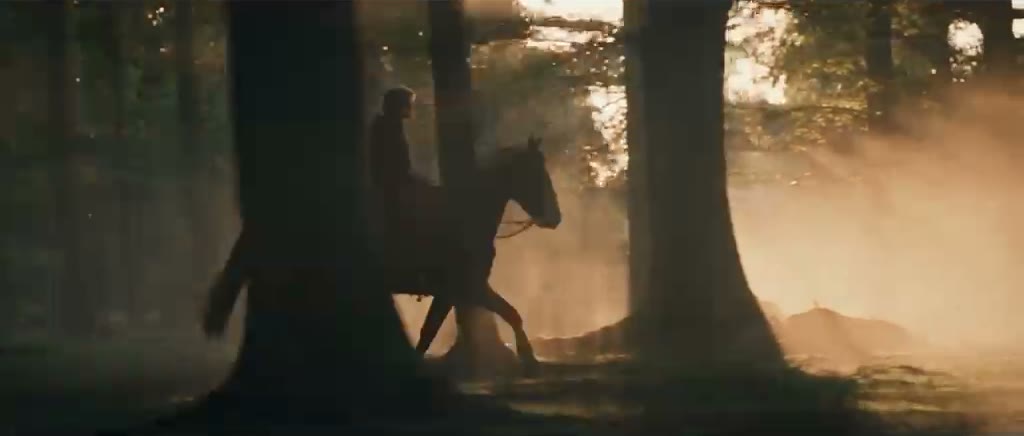
Work in progress, 85 seconds.
Why this novel
The screenplay is written by Maciej Kraszewski. On choosing this novel he says:
Every Pole knows the title. Few remember that behind the set text lies the story of a young knight who brings a death sentence on himself with one rash gesture, and of the girl who leads him out from under the axe.
I put people in the foreground, not dates. Zbyszko wants to be somebody. Danusia believes in an oath more firmly than the adults around her. Jurand pays for his hatred with everything he has. Politics and the Order are the pressure that crushes private lives.
I put people in the foreground, not dates.
Sienkiewicz wrote for a nation without a state. We write for a generation that has a state and knows this story from a summary at best. I want a young viewer to find in it what they know from their own life: first love, loyalty to your own people and the price of a bad decision.
I kept a language that has a ring to it but can still be spoken. Dialogue should carry the scene, not the archaism.
Poland itself is a character in this series
The series is directed by Jarek Żamojda. He describes his intent this way:
To me “Krzyżacy” is above all a story about people: about love, honour, loyalty, revenge and the price of one’s own choices. I want Zbyszko, Danusia, Jurand and their adversaries to stop being figures from a distant legend. I want us to be close to them, to understand what they long for and to fear for them when great history begins to force its way into their lives.
We are not aiming this story at any one age group. We invite everyone who is tired of a world of fast images, simplified emotions and cheap appeal, and who would like to be somewhere else for a while. To enter a world that is beautiful, harsh and dangerous, where love, a sworn word, betrayal or courage truly mean something and have their price.
I do not want the viewer to watch history from behind museum glass.
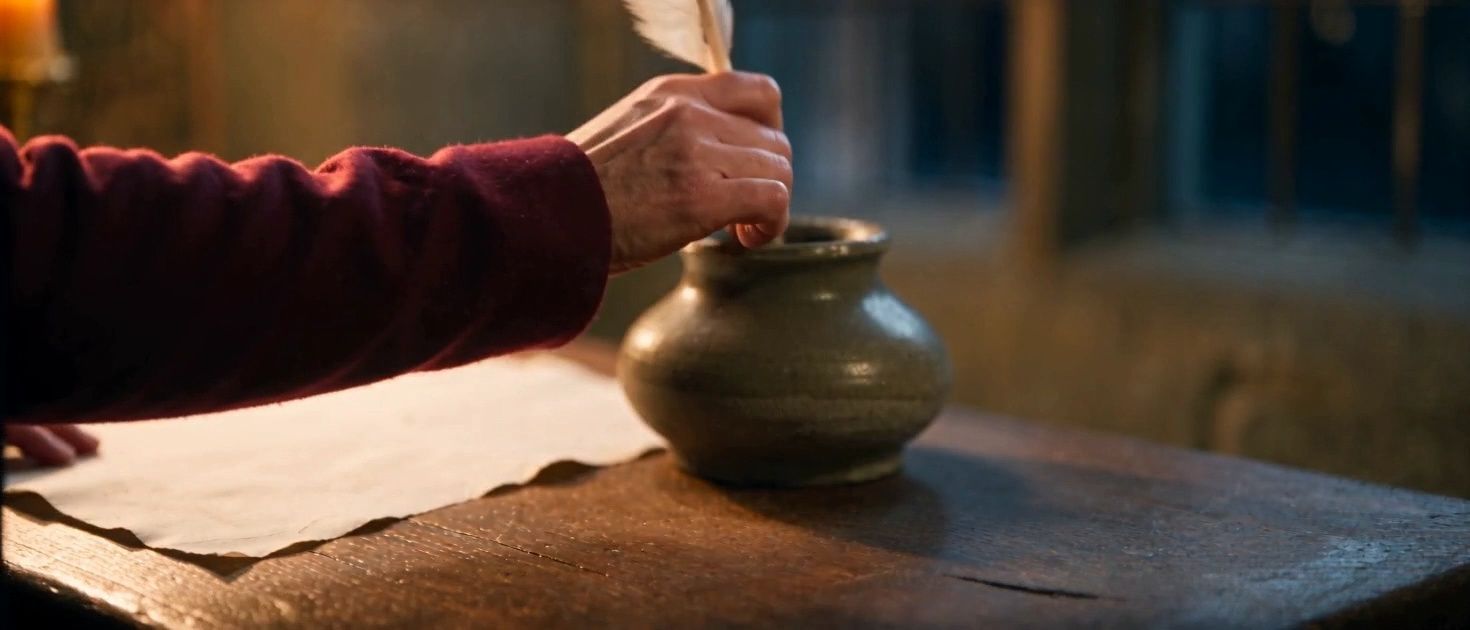
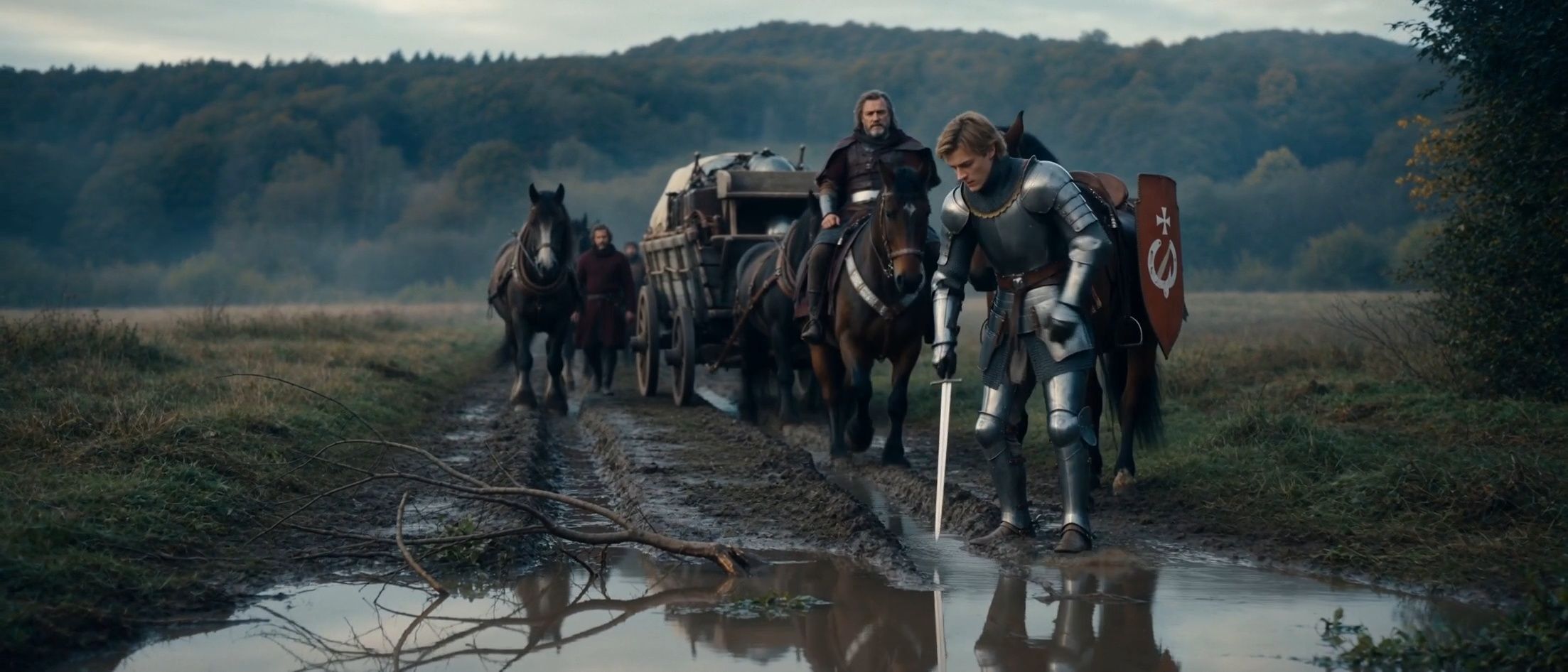
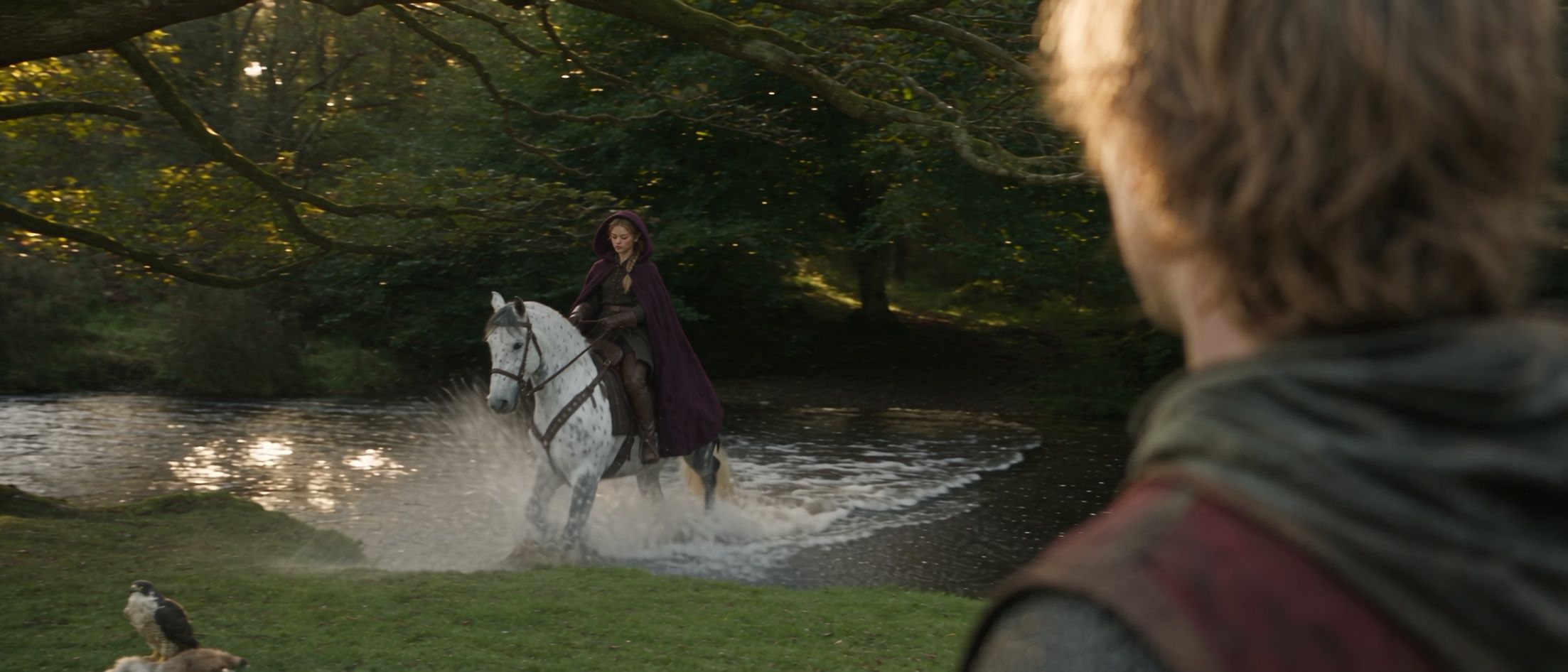
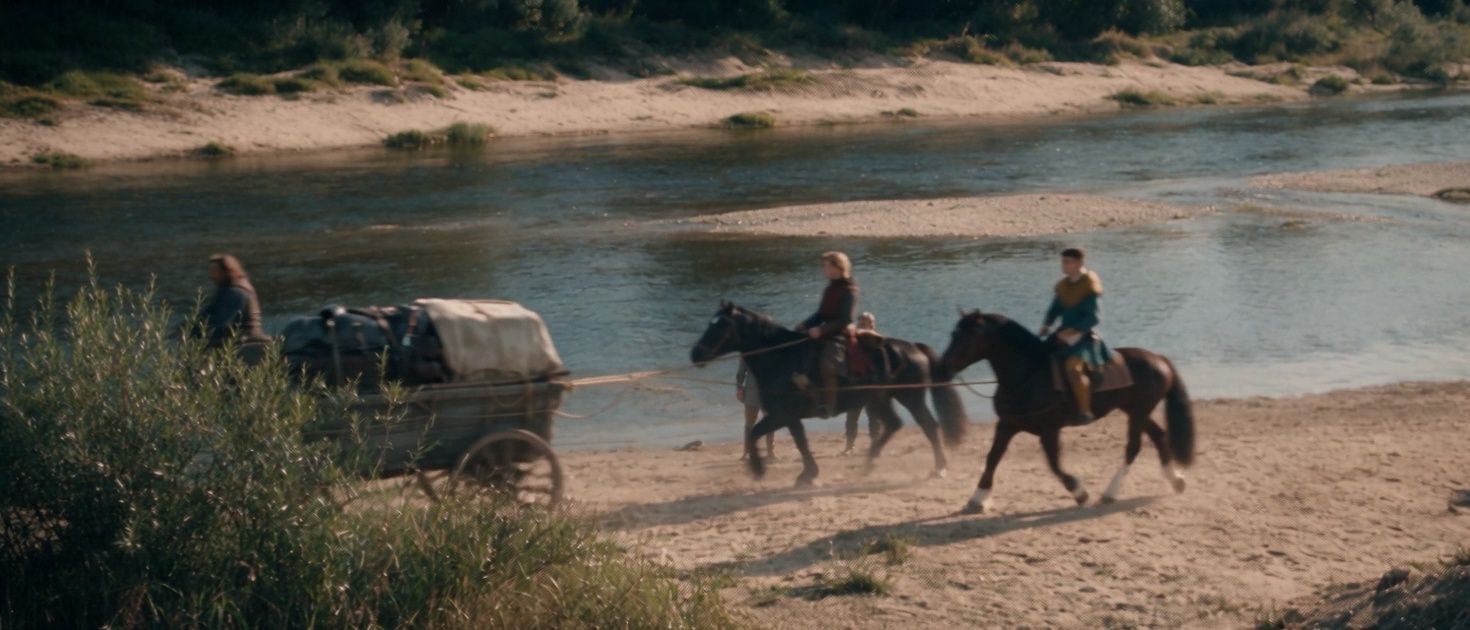
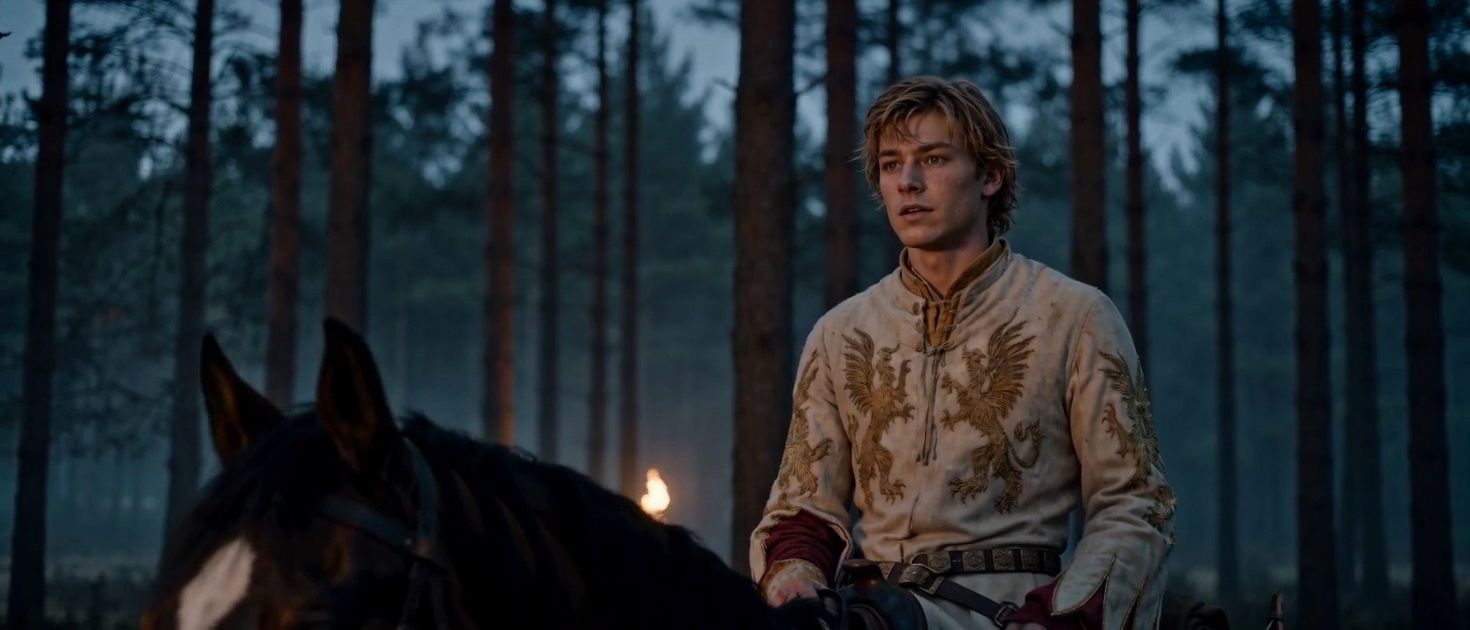
Poland itself will be a very important character for me. I am fascinated by the poetry of our landscape: the light, the forests, rivers, mists and marshes, the changing times of day and seasons. We begin in an almost painterly world, and as violence, revenge and war grow, we gradually take its innocence away.
I do not want the viewer to watch history from behind museum glass. I want them to feel the wet forest, the cold of the river, the weight of armour, the fear of an incoming crossbow bolt and the closeness of another human being. We are not inviting the viewer merely to watch “Krzyżacy”. We are inviting them to leave the modern world for a moment, step into another land and live this story with us.
WOW Studio: the architecture of freedom
The technology and workflow behind the series are the responsibility of Rafał Osmólski, who develops WOW Studio.
WOW Studio is our own production environment. In it “Krzyżacy” is broken down, prepared, generated, assembled and approved, from the first line of the screenplay to an episode presented to the director for review.
Generative video tools promised creators unlimited freedom. In practice a single author with a single tool soon hits a wall: an image appears in seconds, but a film does not appear at all. A film is hundreds of decisions that must stay consistent with one another across weeks of work by many people. The hero’s face in shot forty has to be the same face as in shot three. A prop that disappeared in scene two cannot return in scene five. The director has to know which version they are watching and who approved it.
Creative freedom is not the opposite of organisation. It is its product.
WOW Studio was built as an answer to that paradox. It is not another generator. It is a production environment that treats generative models as crew, not as authors, and that subordinates its whole construction to one question: how much structure does creativity need in order to scale, and at what point does structure begin to choke it.
Cognitive load as a raw material
Working with generative models is exhausting in a way classic production never knew. Every generation is a micro-decision: accept, reject, correct. Across hundreds of shots decision fatigue sets in, and with it drift: the standard of acceptance drops unnoticed and consistency quietly falls apart.
That is why we design the system around an economy of attention. What is deterministic should happen without a human. What needs judgement should reach the right person at the right moment, in a form that lets them assess one thing at a time. In this system the attention of a director and an operator is a scarcer resource than computing power, and we treat it that way.
The screenplay as a data structure
The starting point is text, but the system does not store it as a document. The screenplay is broken down into a semantic layer: characters, locations, props, the relations between them, and states that change over time. Each of these entities receives a durable identity that every later stage refers to.
As a result a shot is not a description written in prose but a node in a network of references. A change in one place is visible everywhere it has consequences. The instruction for a model is not written by hand from scratch but compiled from structured decisions: who is in frame, in which variant of their look, in what space, with what staging intent. Compilation is repeatable, and whatever a human has corrected by hand stays untouchable. This rule, that the machine never overwrites a deliberate human decision, is one of the anchors of the whole system.
Continuity as a memory problem
Generative models have no memory of a production. Every call starts from zero, and continuity, the oldest problem on a film set, becomes an engineering problem. In WOW Studio we solve it on several levels at once: by managing reference material and its variants, through representations that let the system recognise visual and semantic similarity, and by making sure every generation receives exactly the context it requires, in an order that matches its weight.
On top of that comes the orchestration of many models with different strengths, limits and costs. The system knows what each performer can do, what it will not accept and what to do when it fails. A partial failure must never look like success: a rule we enforce as strictly as image quality.
Roles, visibility and the ritual of approval
A multi-person production is not only a division of tasks. It is also a question of who sees what, and when. Unfinished work shown too early breeds fear of judgement and caution. Shown too late, it breeds costly reversals.
So WOW Studio separates the team’s working space from the space of the directing unit. Material matures in stages, and every transition is an explicit act: it is known who made it and when. Approval is not a field in a table but a legible mark that carries the history of the road travelled. Comments have their own visibility, and permissions follow from a role in the production, not from an administrator’s discretion. The result is what work psychology calls psychological safety, translated into architecture: you can experiment because you know the experiment will not leak before its time and that nothing is lost for good.
Reversibility as a condition of courage
A creator takes risks only when they can step back. That is why versioning in WOW Studio is not an add-on but the ground everything stands on. Every significant choice leaves a trace, every version stays reachable, and deletion is reversible. Where a decision is irreversible or costly by nature, the system says so plainly and names the price before the fact.
The same applies to money. Generation costs, and a cost scattered across dozens of operations easily loses its owner. In our system every expense has a category and a context. There is no line called “other”. Cost transparency does not serve to control people; it lets artistic decisions be made with full awareness of their price.
Scale: from a scene to a season
A system that works for one scene need not work for a series. Scaling a production means scaling concurrency: many people work on the same material, long processes run in the background, and the interface has to stay responsive and truthful. WOW Studio is designed so that one person’s work does not block the others, so that long operations show real progress, and so that two people cannot accidentally pay for the same thing twice.
Scale also means a variety of entry points. A project can start from a screenplay, from graphic material or from an existing film, which the system analyses and translates into its own structure. Whatever the source, the production falls into the same rhythm: pre-production, shot list, staging blocks, generation and finally edits presented to the director for review, with a full version history.
How we develop it
We develop WOW Studio the way we want people to work inside it: iteratively, on real productions, in a short loop between a need and its solution. Every feature starts from a concrete point of friction on set, not from a wish list. Every change passes an independent review and a full test suite before it reaches the team.
In the development process itself we use AI agents working under human supervision, so we test on ourselves the same thesis we put forward in film production: automation makes sense only where a human keeps the last word.
Why it matters to us
Because the advantage in AI production is no longer access to models. Models are available to everyone and change every quarter. The advantage is the ability to take an idea to a finished episode again and again: with continuity intact, cost under control and a team that does not burn out on micro-decisions.
WOW Studio is our production memory and our way of working written down in software. It lets us change tools without changing the method, and grow without losing our authorial character. “Krzyżacy” is the first series to travel this whole road, and at seven episodes we find it hard to imagine it without that foundation. Creative freedom is a product of organisation, provided the organisation has been designed with the people who create in mind.
Why we are making this, and why now
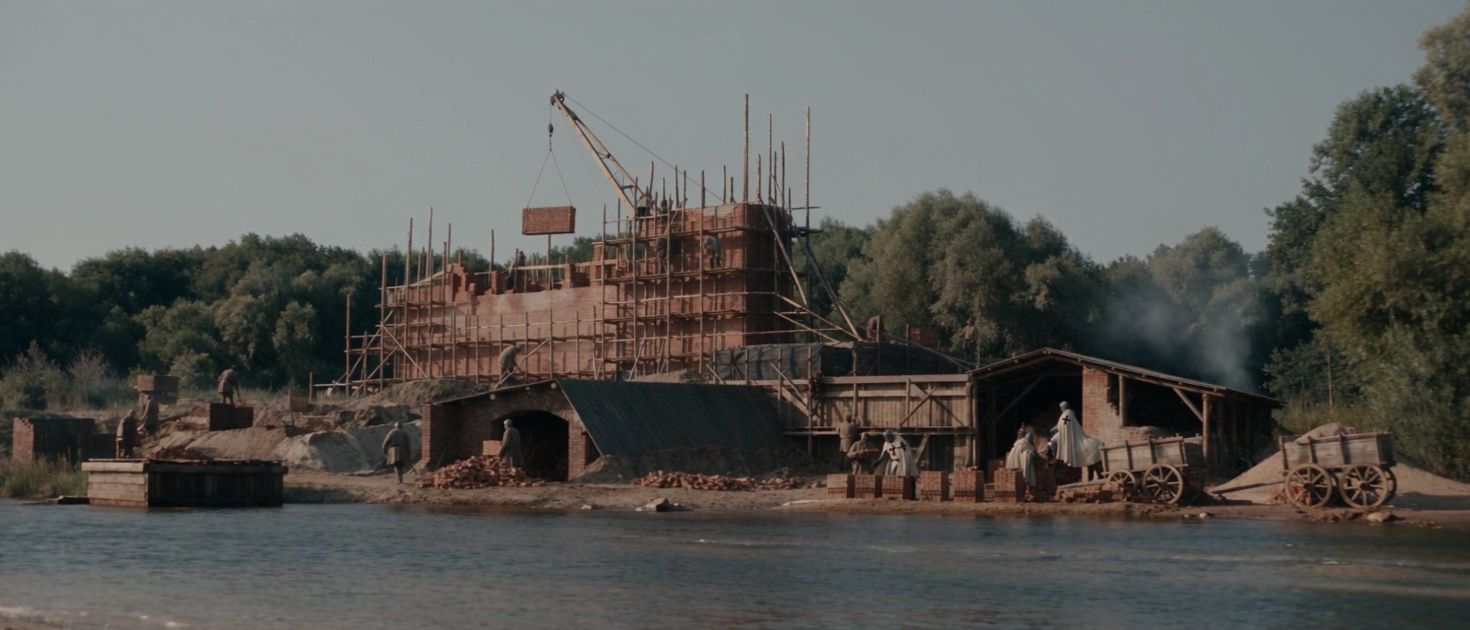
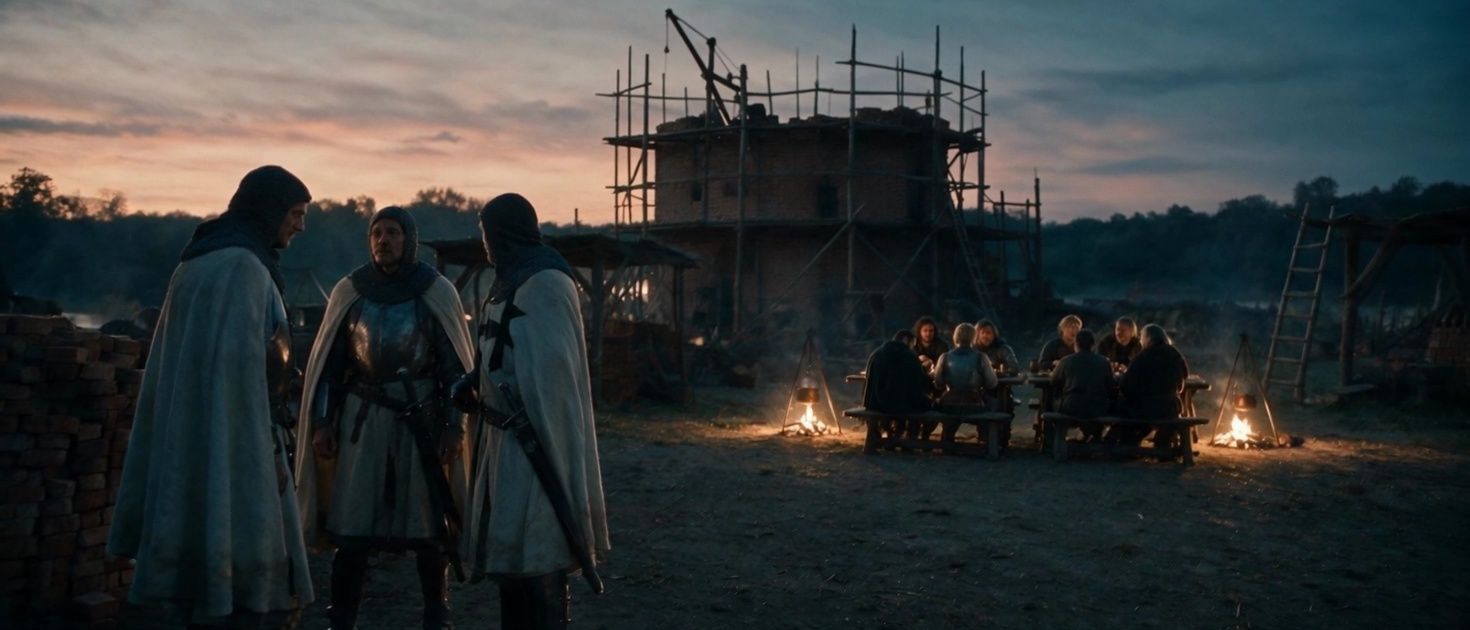
WOW P.S.A. owns the WOW.SHOW streaming platform. “Krzyżacy” is our largest original production and proof that a period series on a cinematic scale can be made within a time and budget that used to rule the genre out.
A conventional adaptation of this novel means hundreds of shooting days, horses, armour and crowds of extras. Here an episode is made in two weeks by a permanent team and then moves on to colour correction, editing and sound. That changes the arithmetic: we can stay faithful to the novel where a traditional production would have to cut.
An episode is made in two weeks by a permanent team.
The project is led by lead producer Marcin Perzyna. We are in talks with broadcasters, distributors and co-production partners about release in Poland and abroad. The series has been built for language versions from day one.
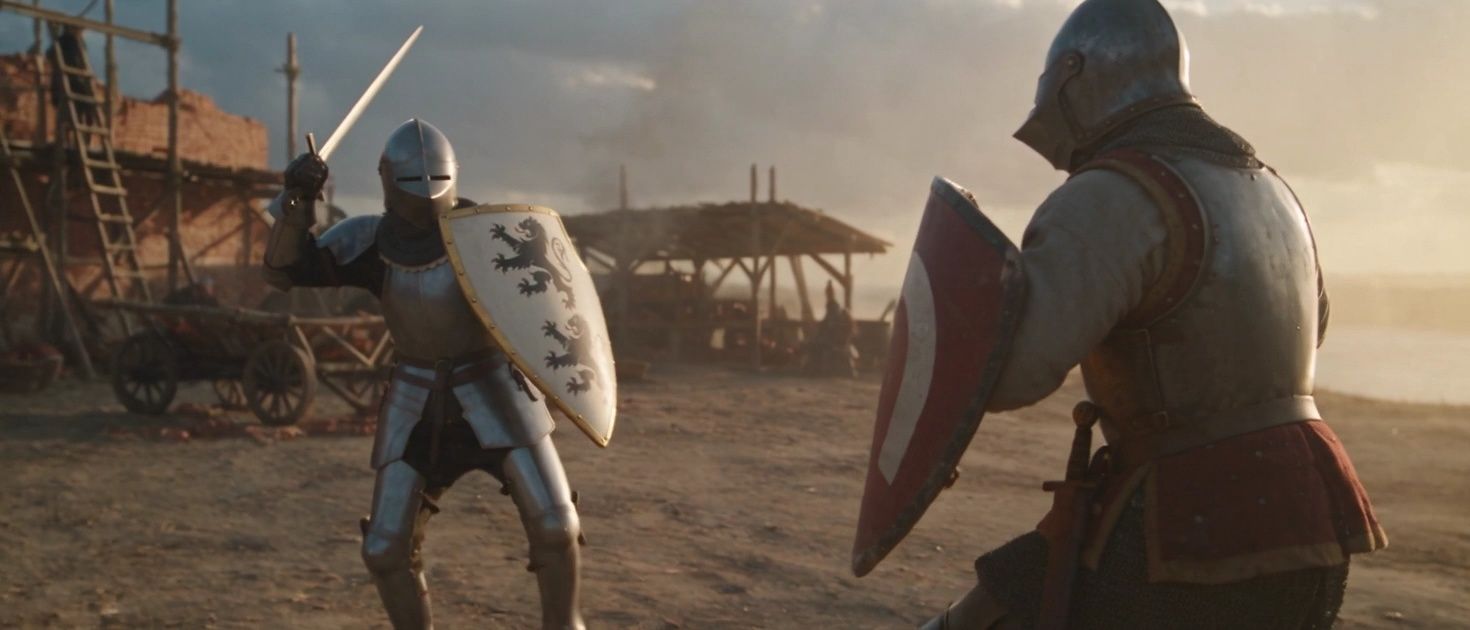
The people of this story
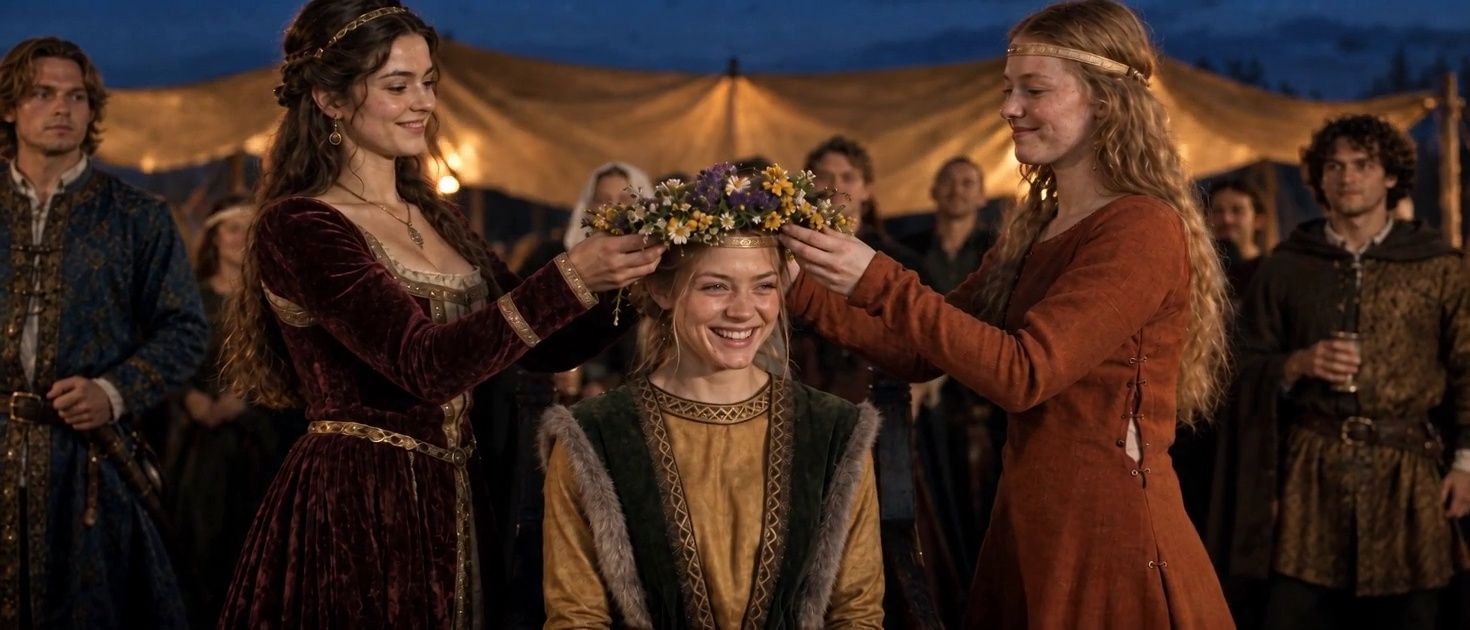
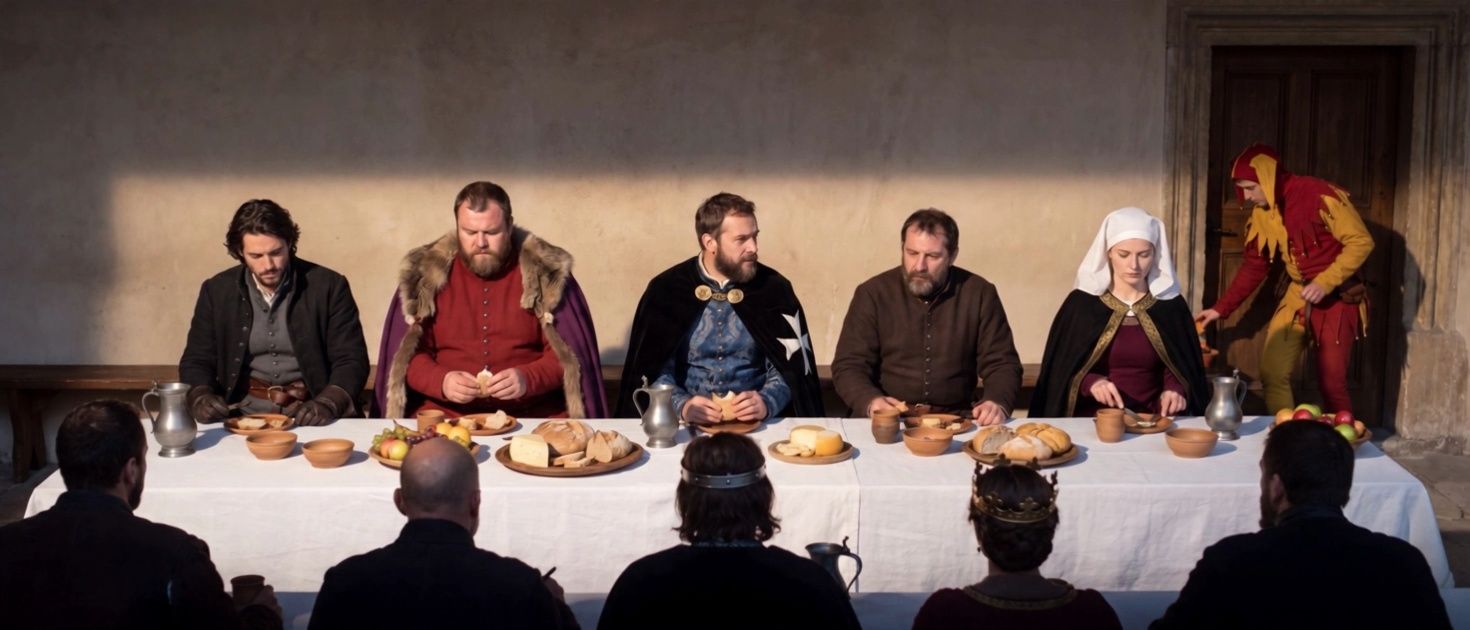
Stills from the first two episodes.
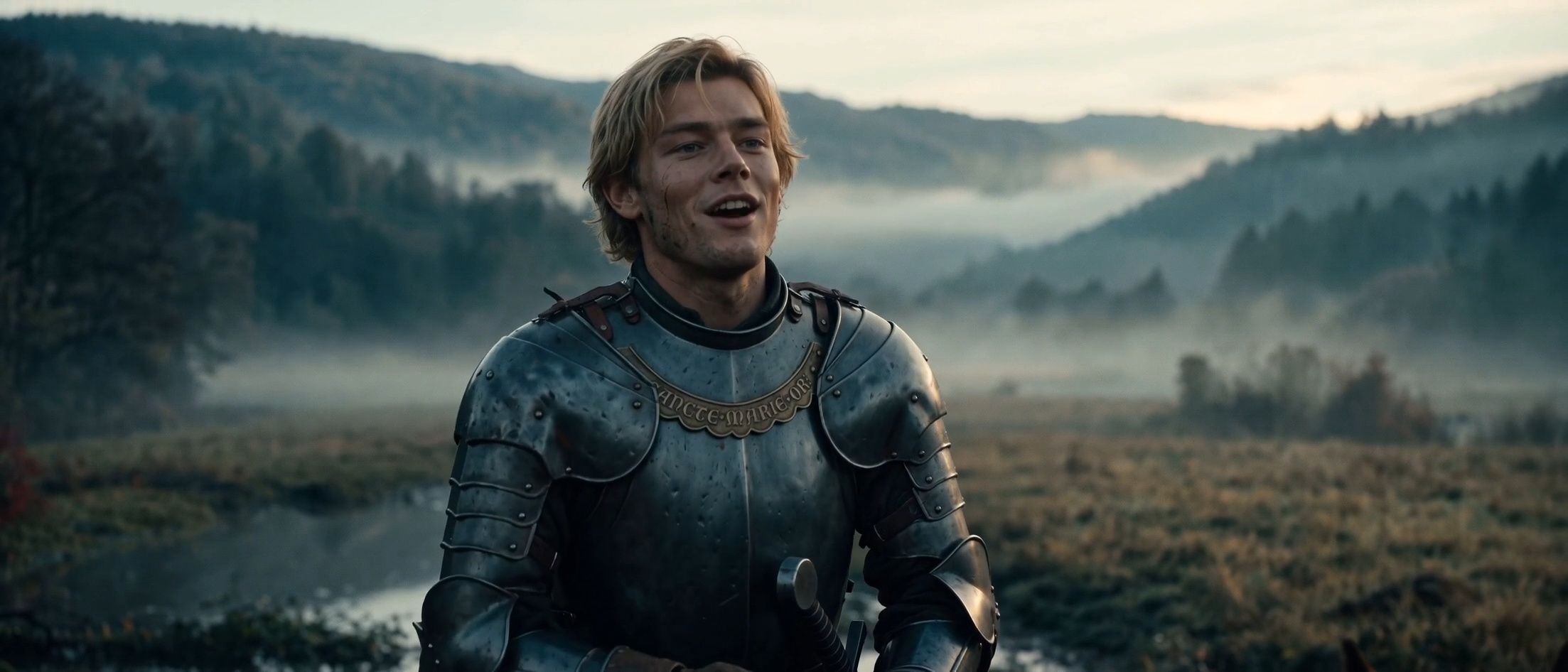
ep. 1, scene 14, shot 12 Zbyszko of Bogdaniec
Young, hot-headed, certain the world is waiting for his deeds.
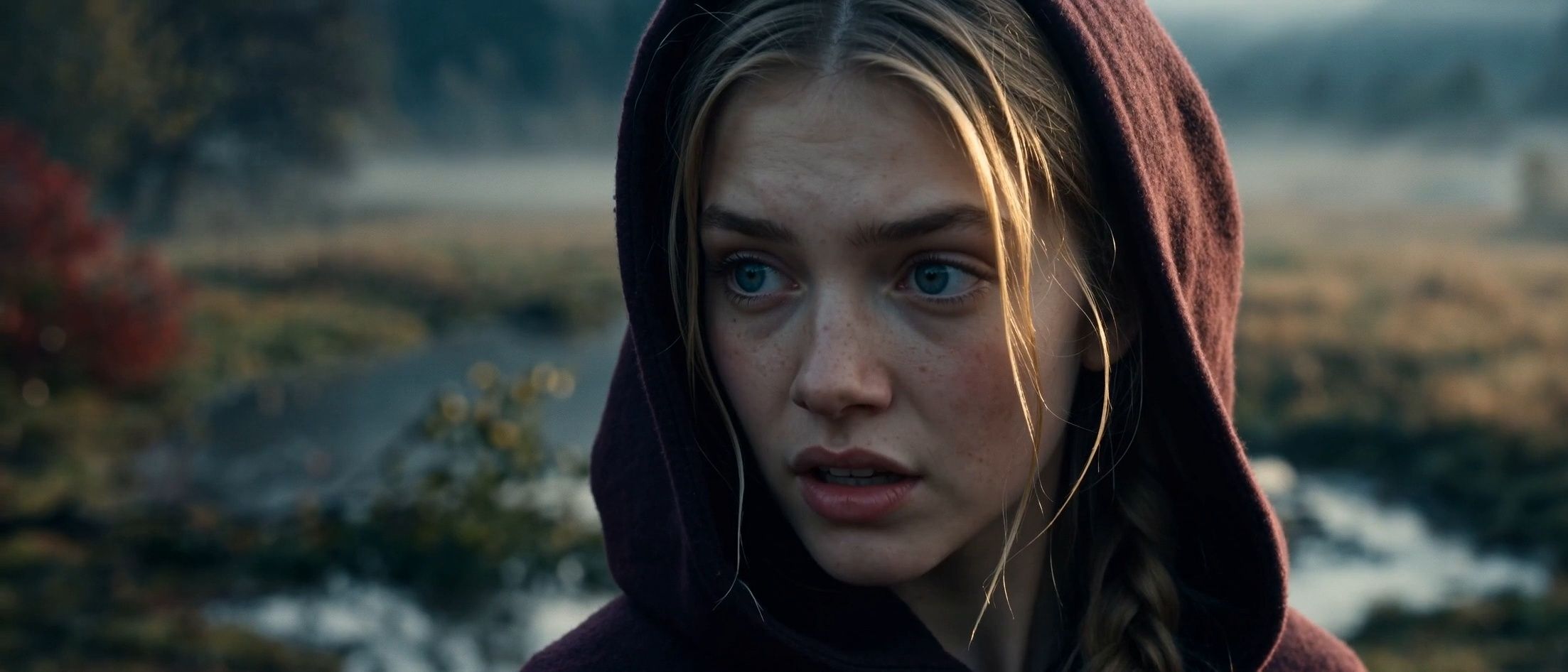
ep. 1, scene 14, shot 9 Danusia
A lady-in-waiting to the duchess. One word from her saves his life.
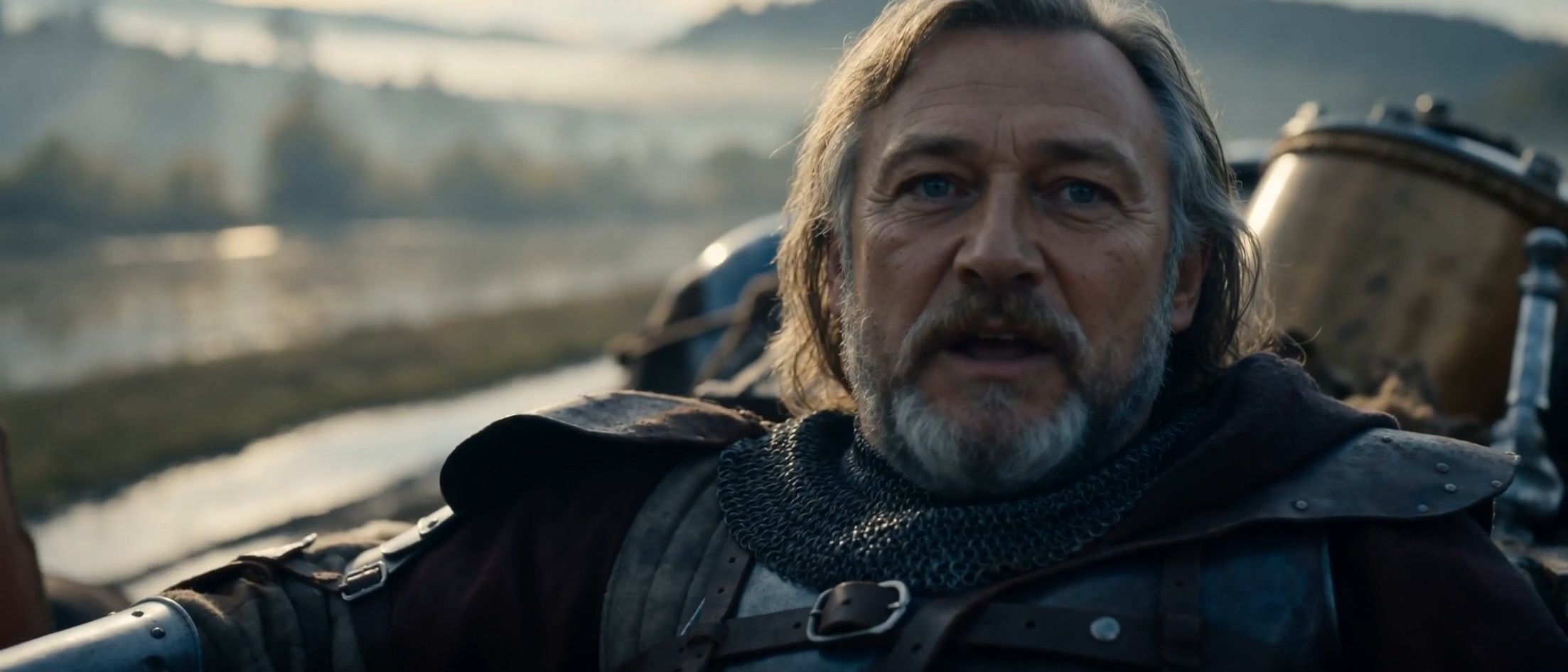
ep. 1, scene 14, shot 3 Maćko of Bogdaniec
The uncle who knows the price of every war.
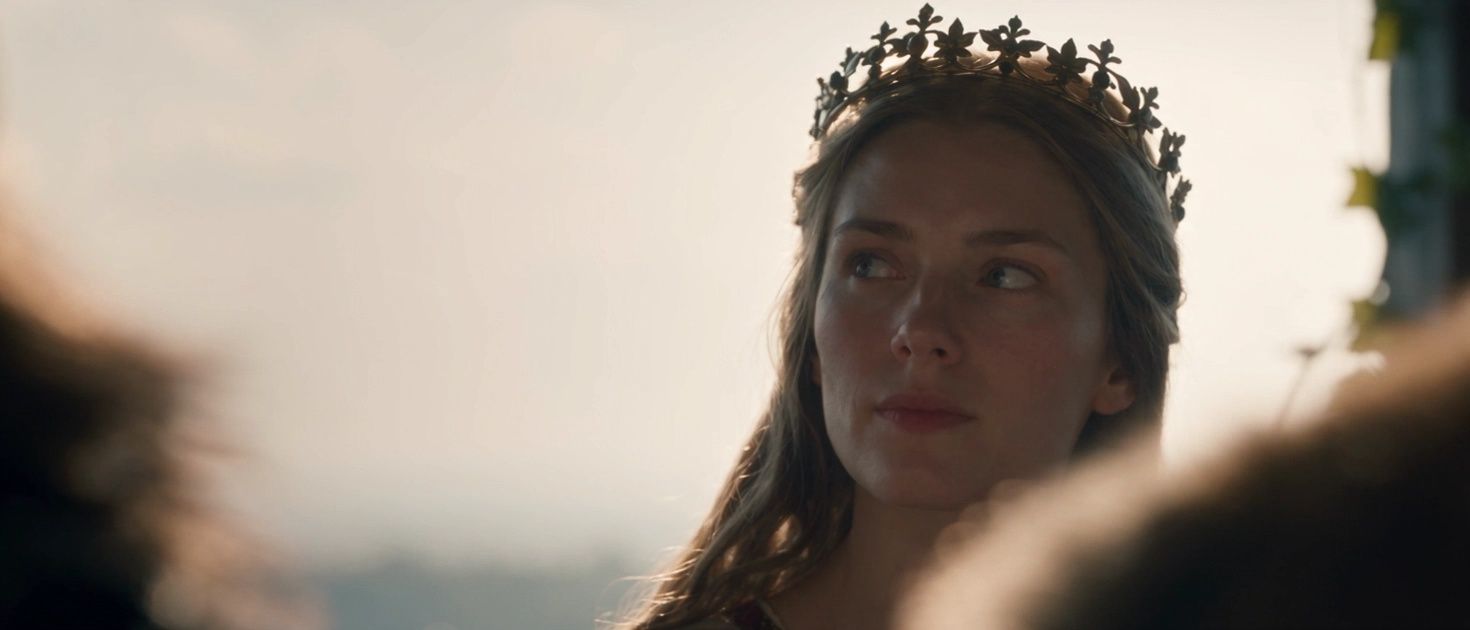
ep. 1, scene 16, shot 107 Queen Jadwiga
A ruler in whom the court sees a saint.
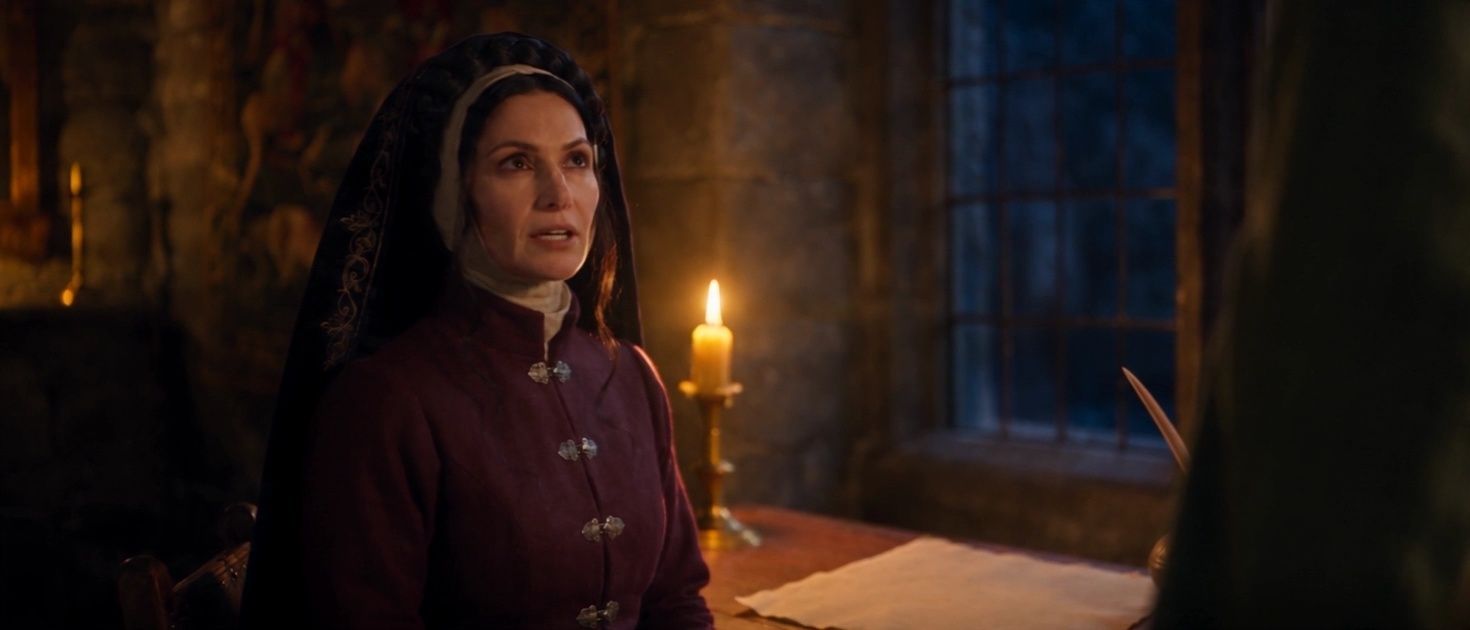
ep. 2, scene 11, shot 16 Duchess Anna Danuta
Danusia’s guardian and the diplomat of the Mazovian court.
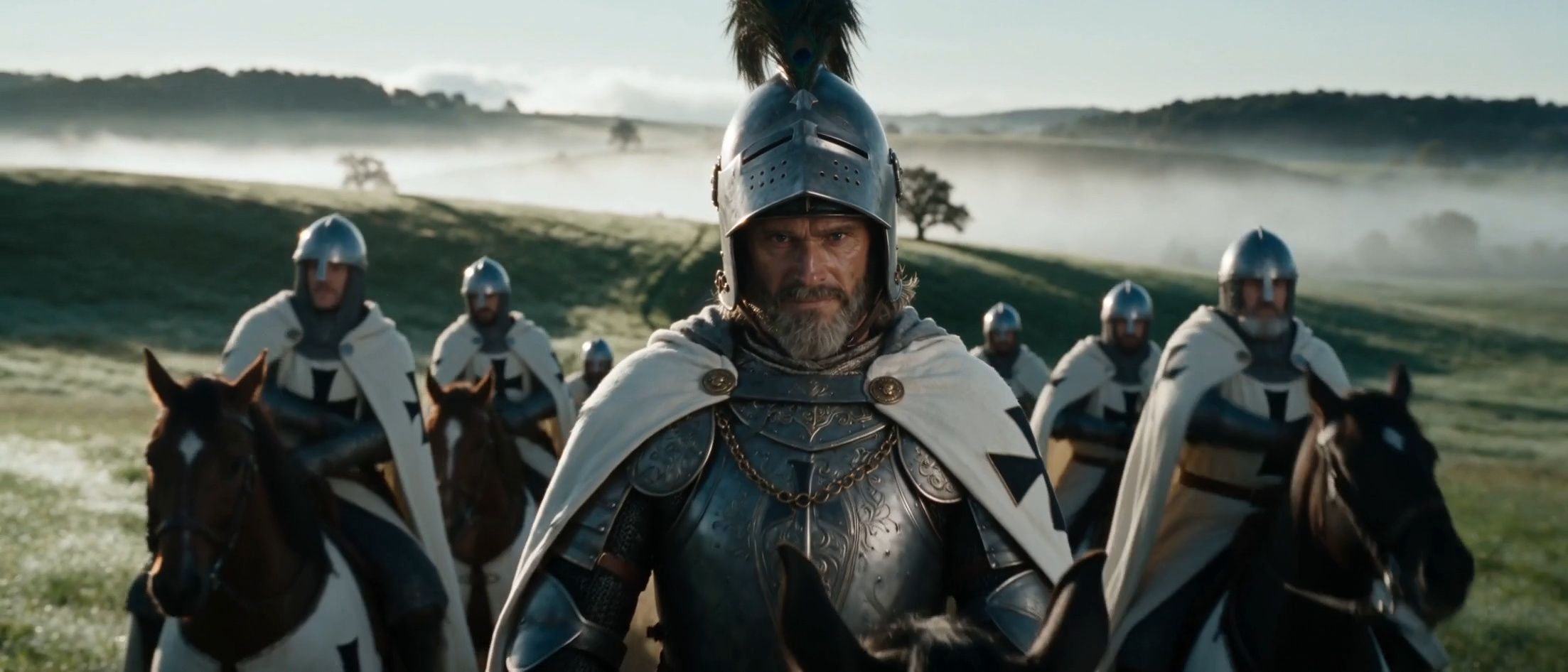
ep. 1, scene 8, shot 35 The Order
The monastic state at the height of its power. An adversary with a face.
Music, history, picture
Music
A score written to picture, with live instruments in the characters’ themes.
Composer to be announced
Historical consulting
Arms, dress, heraldry and custom at the turn of the 14th and 15th centuries are checked before a master enters production. The same review covers the language versions of the series: names, titles and period forms of address in every language.
Consultant to be announced
Colour correction and editing
Colour correction and editing are important processes, tightly integrated with AI production. They are two production streams that complement each other: neither dictates terms to the other, and neither has the final say on film language. Editing adapts to the realities of AI production just as AI production adapts to the needs of the edit, and both sides pass on their requirements easily and precisely.
In progress, episodes 1 and 2
Let’s talk about “Krzyżacy”
For broadcasters, distributors and co-production partners.
Write to the producermarcin.perzyna@wow.show- WOW P.S.A.
- Owner of the WOW.SHOW streaming platform
- Lead producer
- Marcin Perzyna
- Registered office
- Aleje Jerozolimskie 181A
Warsaw, Poland
© 2026 WOW P.S.A.